
Lake County Death Records Search
Lake County Death Index records serve families in central Colorado. The county has the highest elevation of any county seat in the nation. Leadville sits at 10,152 feet. Death records here go back to the early 1900s. The county clerk handles vital records. Older records sit with the state. You can search these records for legal needs. You can also use them for genealogy work. This guide shows where to find them.
Where to Find Lake County Death Index Records
You have two main sources for death records in Lake County. The county clerk and recorder office serves local needs first. The state office holds all historical files. Both follow Colorado law. Both can issue certified copies. Pick the office that fits your needs.
The Lake County Clerk and Recorder keeps death records from 1975 to now. You can visit them in Leadville. They handle walk-in requests. They also take mail orders. This office serves deaths in Leadville, Twin Lakes, and other Lake County areas. Call ahead to confirm hours before you make the trip.
The Colorado Department of Public Health and Environment holds all state death records. They have files from 1900 to present. You can order online through their portal. You can also visit their Denver office. The address is 4300 Cherry Creek Drive South, Denver, CO 80246. Their phone is 303-692-2200. Hours are 8:30 a.m. to 4:30 p.m., Monday through Friday. Use this office for deaths before 1975 in Lake County.
The image below shows the GoCertificates portal where you can order death certificates online.
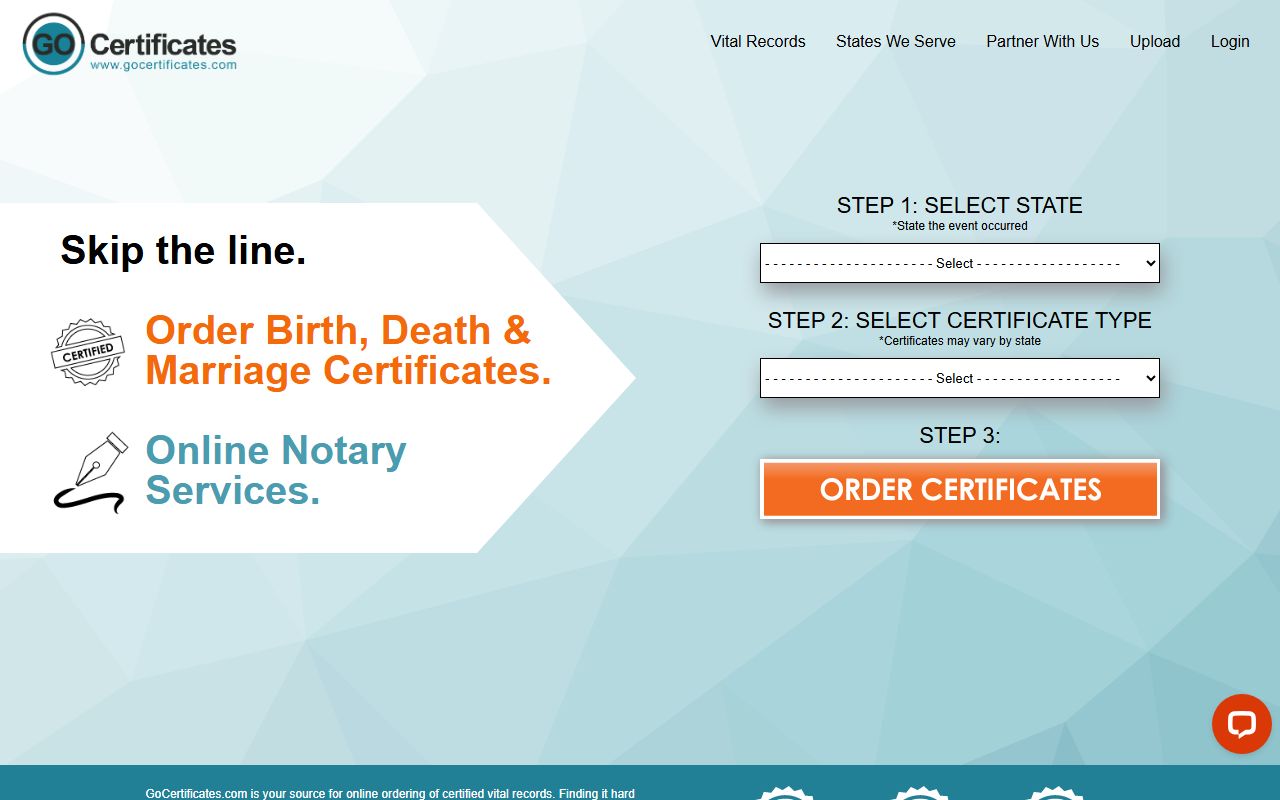
This service handles all certificate types including standard, legal, and verification copies.
Note: The county office keeps records from 1975 to now, while the state holds records dating back to 1900.
Types of Lake County Death Records
Colorado offers three types of death records. Each serves a different purpose. You should pick the right one. This saves time and money. It also gets you what you need faster.
The standard death certificate shows all facts. It has medical details. It has legal facts. It lists the cause of death. It shows where death occurred. This is the full record. Most families need this type for estate and insurance matters.
The legal certificate shows less. It has legal items only. It has no medical facts. It does not show cause of death. Some uses need this type. It works for property claims. It works for some banking needs where privacy matters.
Verification is the third type. It shows limited legal facts. It confirms death occurred. It does not give full details. This costs less than full certificates. C.R.S. § 25-2-117 covers who can get certified copies and sets the fee structure.
Note: Pick the certificate type that fits your specific need to save money and processing time.
Lake County Death Index Fees and Costs
Fees for death records vary by type and method. The state sets base rates. Services add costs for online orders. Know the prices before you order. This helps you plan your budget.
The first copy costs $25 at the state office. Each extra copy costs $20 more. These prices apply to mail and walk-in orders. Online orders cost more. VitalChek and GoCertificates add service fees. These can add $10 to $20 to your total. Rush shipping costs extra too.
Verification costs less. A verification is $17. This confirms death only. It has fewer facts. Order online at cdphe.colorado.gov/order-certificate-now. Or call GoCertificates at 800-324-6380. You can also call VitalChek at 866-632-2604 for phone orders.
Note: Online orders include extra service fees on top of state certificate costs.
How to Order Lake County Death Records
You can order death records in three ways. Each way has pros and cons. Pick what works for your needs. Some ways are faster. Some cost less in fees.
Online ordering is fastest. Use GoCertificates or VitalChek. Both work with Colorado. You pay by card. You get records in about 30 business days. Rush service may be offered. This is best if you live far from Leadville.
Mail orders take longer. Send your request to Colorado Department of Public Health and Environment, Vital Records Section, 4300 Cherry Creek Drive South, Denver, CO 80246. Include the death facts. Include your ID. Include payment. Processing varies by volume at the state office.
In-person visits work for same-day service. Go to the Lake County Clerk office in Leadville. Or visit the state office in Denver. Bring valid ID. Bring payment. Walk-in service is first come, first served. Call the county office to check hours.
What you need to order:
- Full name of the person who died
- Date of death
- City or county where death occurred
- Your valid photo ID
- Proof of your relationship (if required)
- Payment for fees
Note: Bring all required documents to avoid delays in processing your request.
Who Can Get Lake County Death Index Records
Colorado law limits who can get death records. This protects privacy. It also stops fraud. Know the rules before you order.
Immediate family can always get copies. This means spouses. This means parents. This means children. This means siblings. They need to show ID. They need to show relationship. The rules changed in October 2024. Grandparents and grandchildren now need more proof. They need a court order. Or they need to show tangible interest. This is a new rule in Colorado.
Others may qualify. Legal reps can get records. Insurance firms can get them. Estate execs can too. They must show why they need the record. C.R.S. § 25-2-117 sets these rules. Vital records are not fully public. This keeps sensitive facts safe.
Note: Immediate family members have direct access, while extended family may need additional documentation.
Lake County Death Records for Genealogy
Family historians use death records. These records hold key facts. They show family links. They show dates and places. They help build family trees. Lake County has records for research.
The Colorado State Archives holds old death records. They have some records before 1908. They have an online search tool. You can search by name. You can search by date. Not all years are online. Some need in-person visits. The archives are at 1313 Sherman St., Room 1B-20, Denver, CO 80203. Call 303-866-2358 for help. Hours are 10 a.m. to 4 p.m., Tuesday through Friday.
Death records before 1908 are limited. Contact the State Archives. They may know where to look. Some church records exist. Some cemetery records help. The Leadville Cemetery and local churches may have burial records. The National Mining Hall of Fame and Museum may hold historical records.
The VitalChek system provides nationwide ordering services for Colorado certificates.
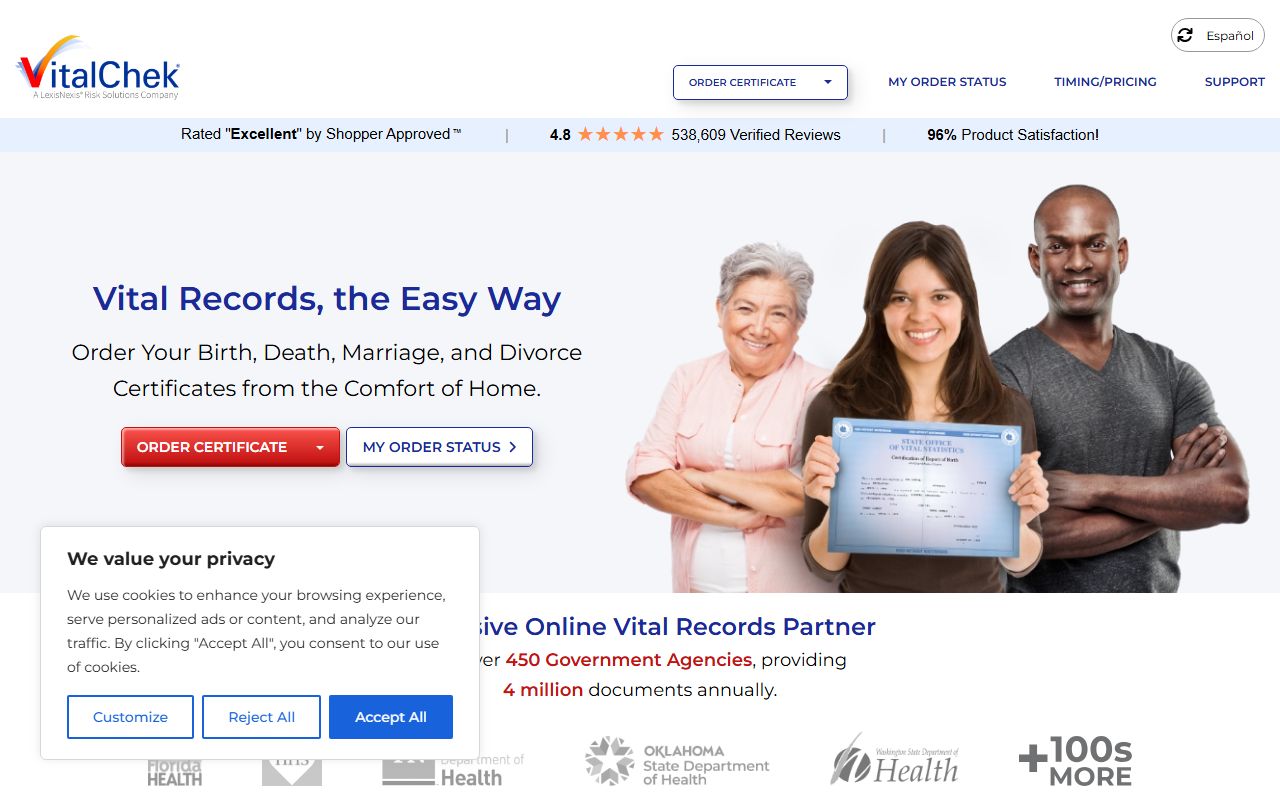
This established vendor processes millions of vital record orders annually.
Note: Records before 1908 are limited and may require checking multiple sources for complete information.
Lake County Death Index in Local Communities
Lake County is a small mountain county. It has a few communities. Each falls under the same county vital records system. Deaths in these areas get filed with the county.
Leadville serves as the county seat. It is the only incorporated city. The county clerk office sits here. It was a mining boom town. Twin Lakes is an unincorporated community. It sits near the Twin Lakes reservoirs. All deaths in these areas go to the Lake County Clerk.
The county has a small population. Records are kept carefully. If you are unsure where a record is held, call the county clerk. They can guide you to the right source.
Note: All communities in Lake County file death records with the county clerk and recorder in Leadville.
Colorado Law and Lake County Death Records
Colorado statutes govern death records. These laws apply to all counties. They cover filing. They cover access. They cover fees. Know the law to know your rights.
C.R.S. § 25-2-110 requires death certificates be filed fast. They must be filed within 72 hours. This must happen before burial or cremation. Funeral homes usually handle this. They work with doctors. They work with the county. This ensures timely filing in Lake County.
C.R.S. § 25-2-111 covers record keeping. Records must be kept at least 7 years. Some burial facts have special rules. Private land burials must be recorded within 30 days. These rules protect public health. They also help with land records.
Note: Death certificates must be filed within 72 hours according to Colorado state law.